What Do We Owe the Work?
What Do We Owe the Work?
On doing right by the search, the dog, and the truth
The search is over. The dog team has gone home. And then — a bone. An anthropologist looks at it and says the word aloud: "human."
At the debrief, someone turns to the Handler. "Did your dog show any interest in that spot?"
The Handler reported no response. That's what's in the notes. But now, with every eye in the room on them, they remember something. The dog's nose, drifting near the bone. A word to the flanker, maybe — the one who was back a ways. A plan to swing back around once the rest of the area was covered. Any of it could be true.
The trouble is, the account they're giving now is bigger than the one anybody heard out in the field.
I get why. A human bone has just been found, and of course you want to do it right. All at once, the distance between "my dog worked that area" and "my dog indicated human remains" feels like a canyon.
Maybe the Handler says the hard, honest thing: My dog investigated that area, but she didn't give her final response. I didn't report a detection at the time. If a detail got left out of the notes, they can add it — and say when they remembered it. That's clean. But underneath it sits a question. Did learning the bone was human change how they remember what their dog did?
How a standard slips
Most of us would catch a wild, obvious exaggeration. It's the small ones that get us. A Handler describes a little more interest than they reported in the field. A teammate lets it slide, because pushing back in front of the group feels unkind. A supervisor has said something like it before.
And then it happens again. And it's a little less uncomfortable.
I don't think most Handlers set out to misrepresent their dogs. Not for a second. We work hard. We care about the result. We want our dogs' work to count for something. Maybe that's exactly why you watch for the moment a result starts to reshape the story we tell about it.
What gets said at a debrief doesn't stay at the debrief. An investigator may plan the next search around it. An anthropologist may fold it into how they read a site. A family or an entire community may be told that the dog found something. So it's worth asking: what did we actually see out there — and what did we only learn later?
What ethics looks like in the field
I sat in a Society for American Archaeology class not long ago, and I heard ethics described as something that shapes the work from start to finish. That makes sense to me. It shows up in the methods we choose, the conditions we agree to work in, what we tell people on site, what we write down afterward — and in what we do when new information arrives.
Take that debrief again. What will the requesting team do with the Handler's account? What does the Handler owe them, whether the bone turns out to be human or not? Who else is counting on what gets said?
And here's a good question. Would we describe the dog's behavior the same way if nothing had been found?
A trained final response is valuable. Nobody's arguing that. But is it the only behavior worth describing? A dog might work an area. Come back to it. Show a change you can see but can't quite name — and never go to final response. If a bone turns up there later, how do we talk about what she did? Without inflating it. Without waving it away just because it wasn't a final response.
Practice the difficult sentence
We practice reading our dogs. We practice search strategy and final responses, over and over and over again.
I wonder how often we practice the sentence we'll need when the result disappoints us.
I don't know.
My dog didn't alert on that.
That's more than I can conclude from what she showed me.
Maybe we build more of those moments into training. A known find, placed near an area the dog passed. A change in behavior nobody can quite read. Information that surfaces only after the Handler has already given their account.
If all we ever train for is yes, an alert, and nope, nothing — and then we just feel bad and sad when we're wrong — what exactly can we expect people to do in the gray situations that real field work hands them?
I'd also want to know what happens when someone asks a Handler to clarify. Can a teammate say, Is that what you saw during the search, or what you know now? — without it turning into a fight? Can the Handler stop, think, and answer straight? That feels like something we could practice too.
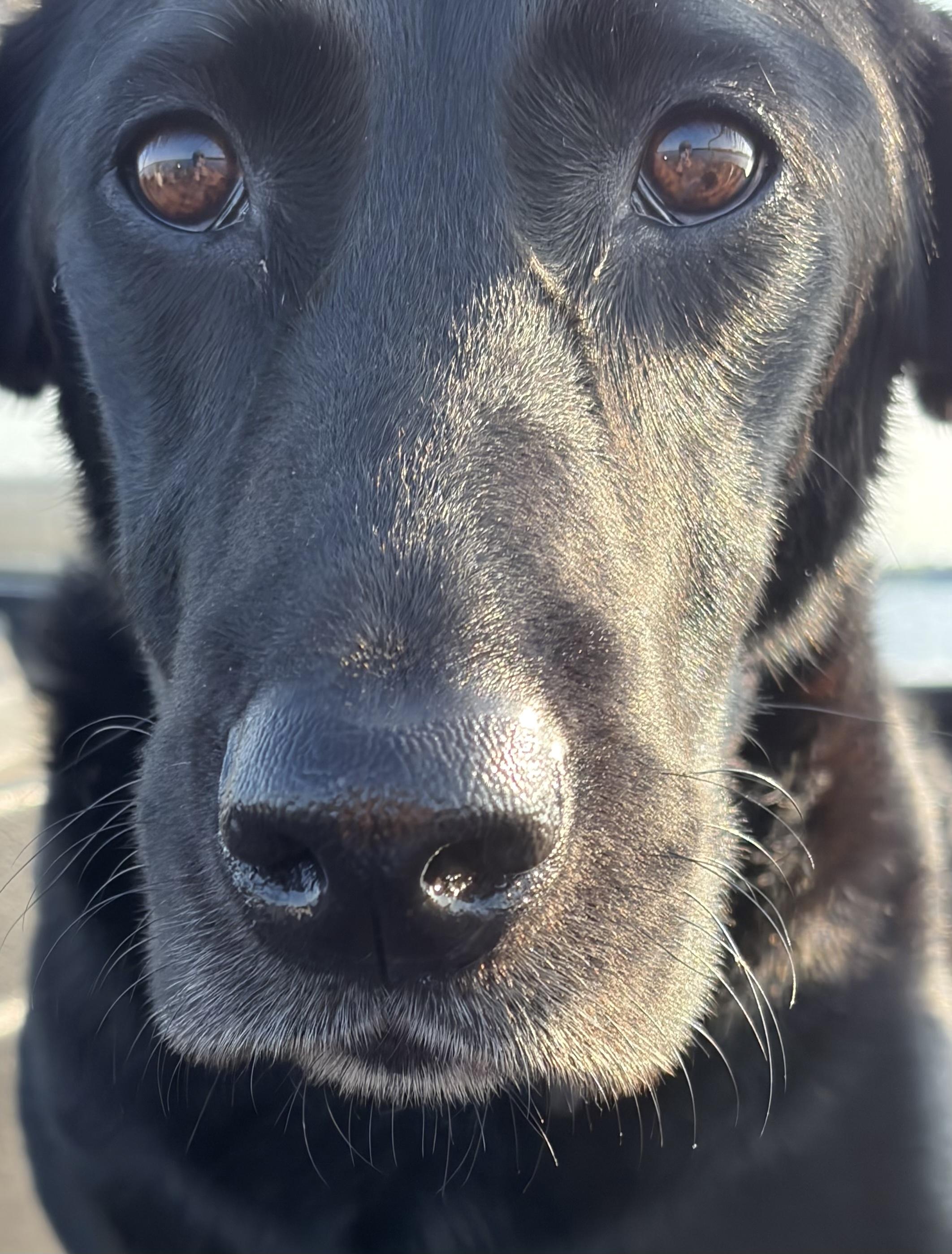
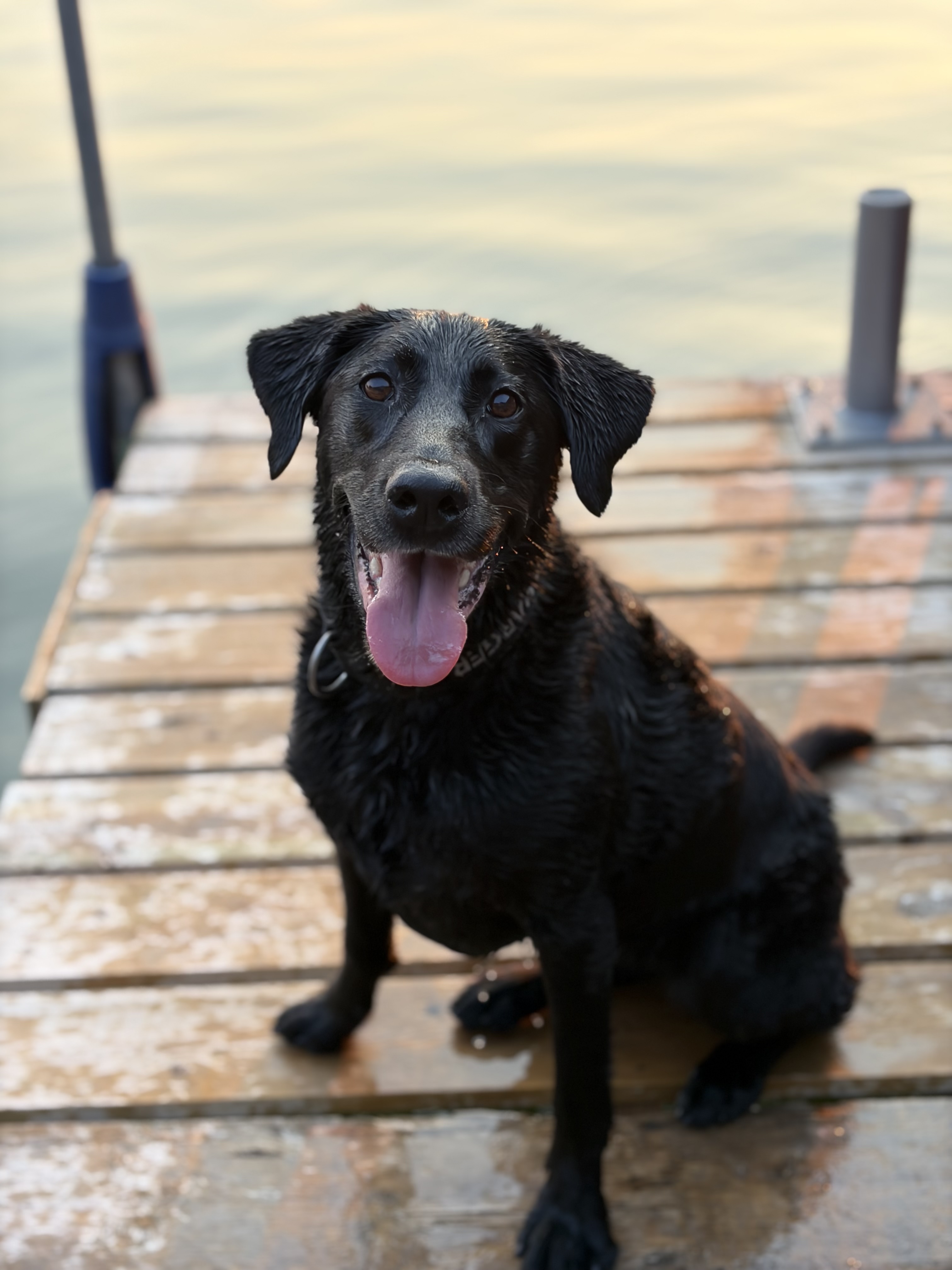
Charger can't decide what I say at a debrief, or what goes in my report. That part is mine. I want my account of her work to be accurate — even when the result surprises me. Disappoints me. Turns out to be exactly the thing I hoped we'd find.
So what would help us do that well?
This is just something I'm wondering about. Because what if — better Handlers mean better dogs?
Here's to the dogs who keep us honest, and to the questions that keep us learning.
Janie
