Welcome to Dog Merickel
Empowering Detection Teams Through Science and Community
Why We Do This
Because HRD Handlers deserve better—better tools, a better Community, and better ways to learn and grow. We understand how isolating and costly this work can be, but we also know how deeply rewarding it is when we get it right.
That’s why we pour our passion into creating science-driven tools, ThinkTank-style collaborations, and a space where we rise together.
This isn’t just training—it’s a calling.
This work found us, and we’re here to honor it. Fueled by a love of learning, an obsession with dogs, and a belief in the power of connection, we’re building a movement where Handlers and their dogs push boundaries, redefine success, and achieve greatness.
Driven by Science, Guided by Dogs
Empowering HRD Handlers and their dogs to achieve excellence
At Dog Merickel, our mission is to elevate detection teams worldwide through science-driven tools, personalized coaching, and a supportive community.
Our Services
Unlock your dog’s full potential with science-driven training. From expert-led community discussions to step-by-step detection plans, our services provide the tools, strategies, and support to elevate your training and achieve real-world results.
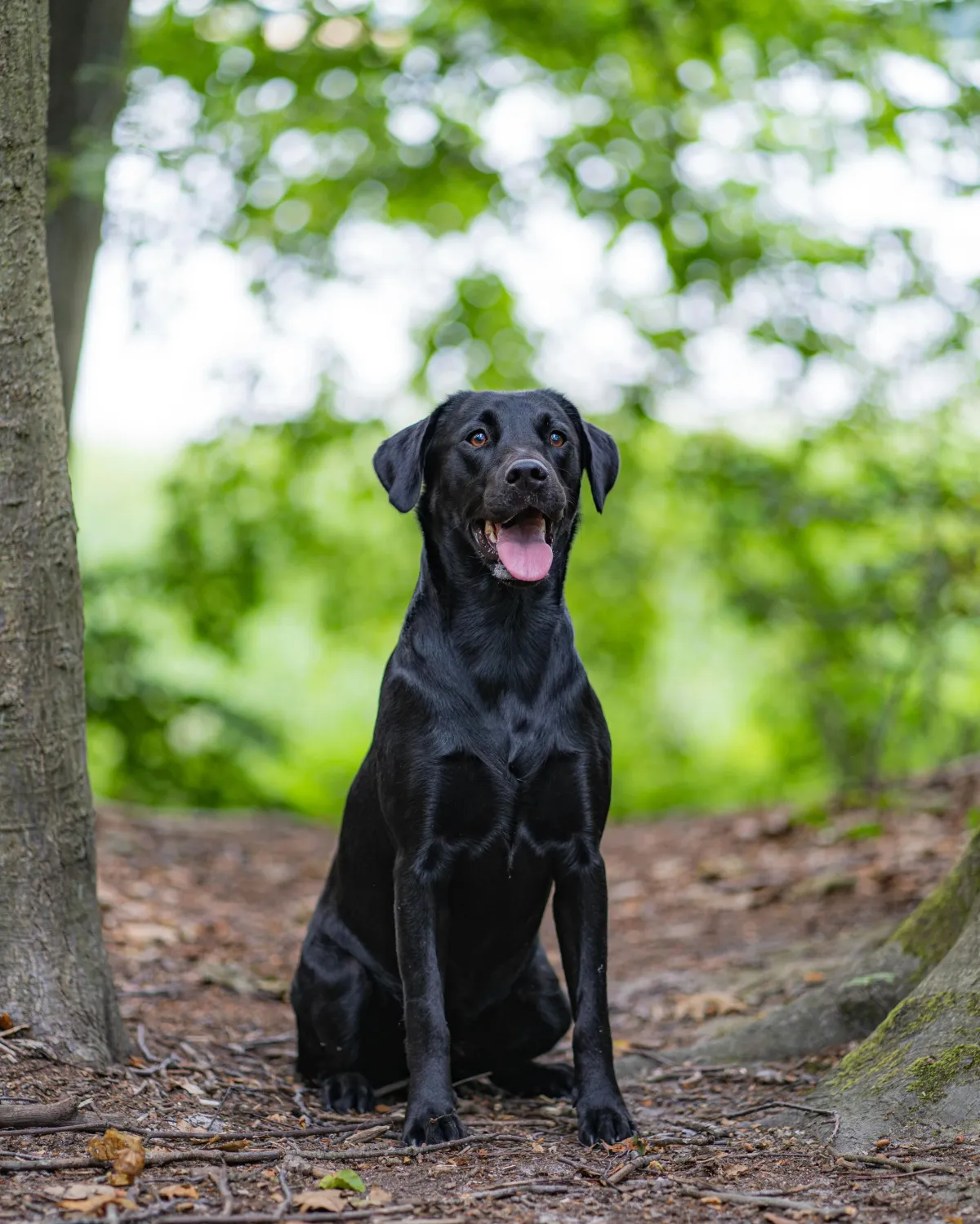

The Society For Dogs
The Society For Dogs
Join the ultimate think tank for detection dog Handlers. The Society For Dogs is where science, strategy, and community collide—giving you the tools, discussions, and expert insights to elevate your team’s success.
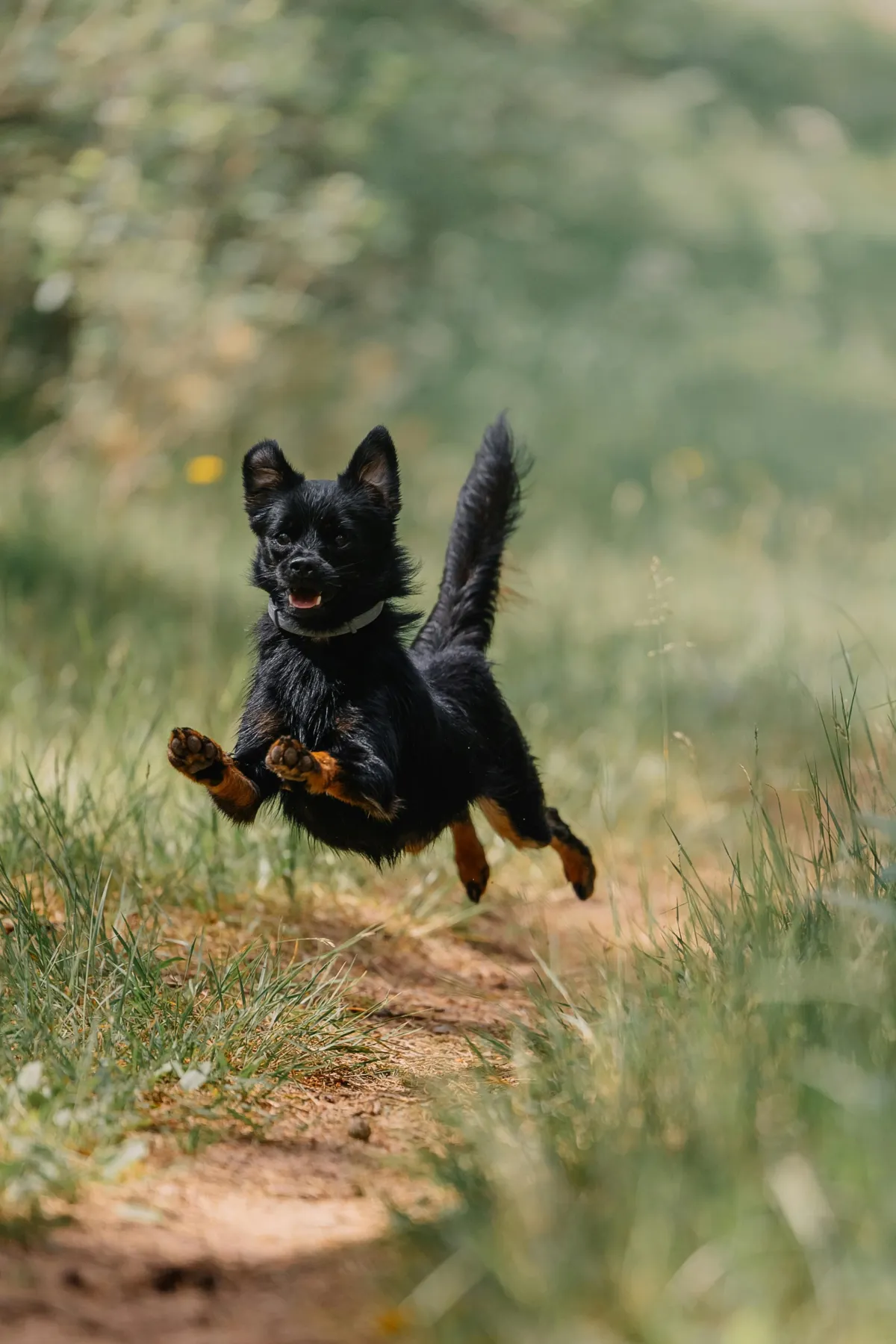
OdorQuest
OdorQuest
Master the art of detection with science-driven training. OdorQuest isn’t just a program—it’s your step-by-step path to building a confident, reliable detection dog through proven techniques and intentional training.

Training Plans
Training Plans
Level up your training—one plan at a time. Designed for real-world results, these bite-sized, expert-crafted training plans (starting with Odor Origins and soon, Focused Detection) give you a clear, actionable roadmap to detection dog success.
Our Goals
At Dog Merickel, our goals define us:
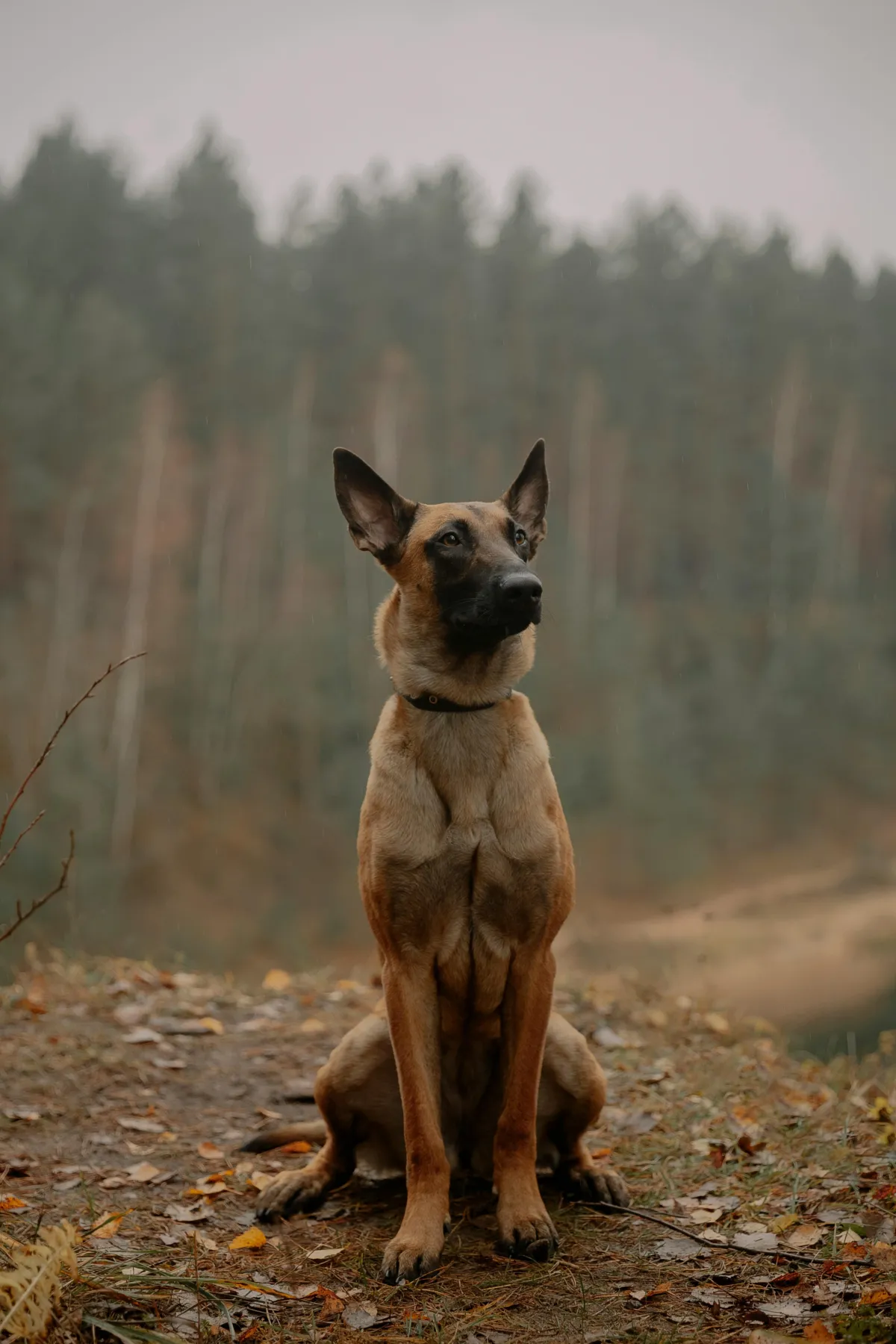
Deliver Better Tools: Innovative, accessible, and effective training plans designed to help you and your dog reach new heights.
Build a Thriving Community: A connected space for Handlers to share, learn, and grow together.
Unleash Potential: Push boundaries, set new standards, and achieve greatness through structured training and support.
Ready to Join the Movement?
At Dog Merickel, we don’t just train dogs—we create partnerships rooted in trust, communication, and excellence.
Explore our programs, connect with our Community, and take the next step in your HRD journey.
Our Promise
Our promise? To bring you sharp tools, smart strategies, and a Community that’s got your back. We work to transform Handlers and their dogs into unstoppable teams.
The Handler's Journal Blog
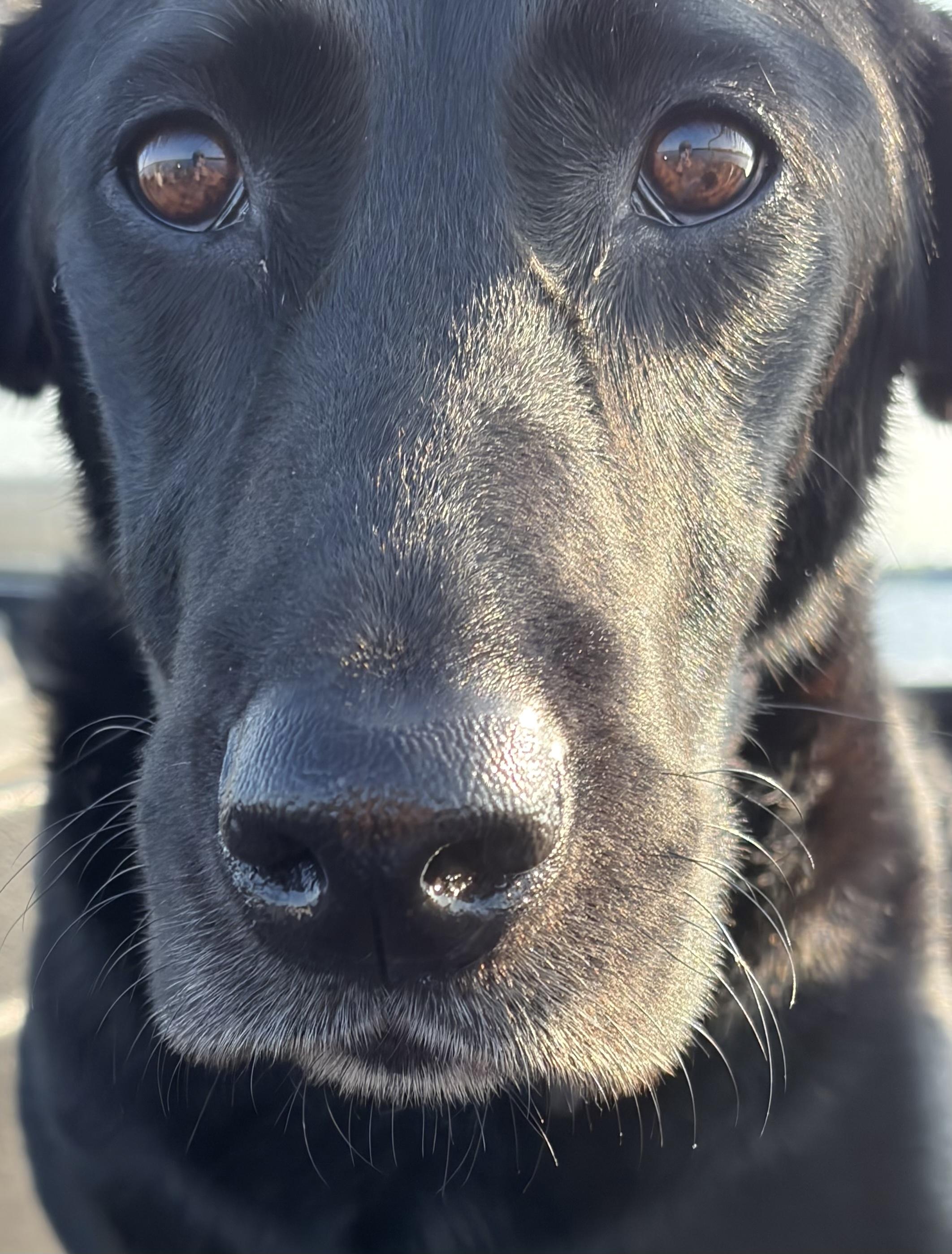
What Do We Owe the Work?
What Do We Owe the Work?
On doing right by the search, the dog, and the truth
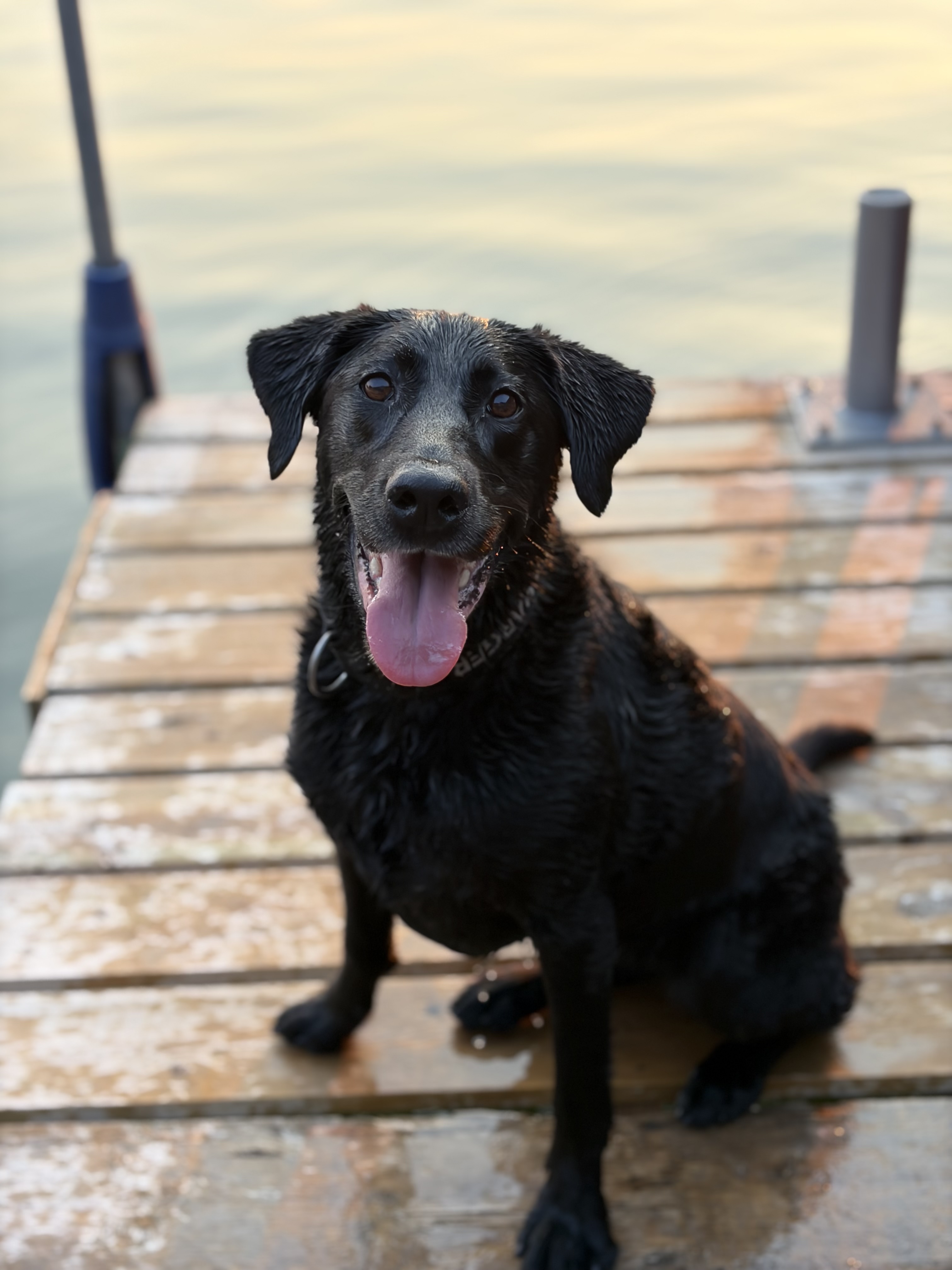
The search is over. The dog team has gone home. And then — a bone. An anthropologist looks at it and says the word aloud: "human."
At the debrief, someone turns to the Handler. "Did your dog show any interest in that spot?"
The Handler reported no response. That's what's in the notes. But now, with every eye in the room on them, they remember something. The dog's nose, drifting near the bone. A word to the flanker, maybe — the one who was back a ways. A plan to swing back around once the rest of the area was covered. Any of it could be true.
The trouble is, the account they're giving now is bigger than the one anybody heard out in the field.
I get why. A human bone has just been found, and of course you want to do it right. All at once, the distance between "my dog worked that area" and "my dog indicated human remains" feels like a canyon.
Maybe the Handler says the hard, honest thing: My dog investigated that area, but she didn't give her final response. I didn't report a detection at the time. If a detail got left out of the notes, they can add it — and say when they remembered it. That's clean. But underneath it sits a question. Did learning the bone was human change how they remember what their dog did?
How a standard slips
Most of us would catch a wild, obvious exaggeration. It's the small ones that get us. A Handler describes a little more interest than they reported in the field. A teammate lets it slide, because pushing back in front of the group feels unkind. A supervisor has said something like it before.
And then it happens again. And it's a little less uncomfortable.
I don't think most Handlers set out to misrepresent their dogs. Not for a second. We work hard. We care about the result. We want our dogs' work to count for something. Maybe that's exactly why you watch for the moment a result starts to reshape the story we tell about it.
What gets said at a debrief doesn't stay at the debrief. An investigator may plan the next search around it. An anthropologist may fold it into how they read a site. A family or an entire community may be told that the dog found something. So it's worth asking: what did we actually see out there — and what did we only learn later?
What ethics looks like in the field
I sat in a Society for American Archaeology class not long ago, and I heard ethics described as something that shapes the work from start to finish. That makes sense to me. It shows up in the methods we choose, the conditions we agree to work in, what we tell people on site, what we write down afterward — and in what we do when new information arrives.
Take that debrief again. What will the requesting team do with the Handler's account? What does the Handler owe them, whether the bone turns out to be human or not? Who else is counting on what gets said?
And here's a good question. Would we describe the dog's behavior the same way if nothing had been found?
A trained final response is valuable. Nobody's arguing that. But is it the only behavior worth describing? A dog might work an area. Come back to it. Show a change you can see but can't quite name — and never go to final response. If a bone turns up there later, how do we talk about what she did? Without inflating it. Without waving it away just because it wasn't a final response.
Practice the difficult sentence
We practice reading our dogs. We practice search strategy and final responses, over and over and over again.
I wonder how often we practice the sentence we'll need when the result disappoints us.
I don't know.
My dog didn't alert on that.
That's more than I can conclude from what she showed me.
Maybe we build more of those moments into training. A known find, placed near an area the dog passed. A change in behavior nobody can quite read. Information that surfaces only after the Handler has already given their account.
If all we ever train for is yes, an alert, and nope, nothing — and then we just feel bad and sad when we're wrong — what exactly can we expect people to do in the gray situations that real field work hands them?
I'd also want to know what happens when someone asks a Handler to clarify. Can a teammate say, Is that what you saw during the search, or what you know now? — without it turning into a fight? Can the Handler stop, think, and answer straight? That feels like something we could practice too.
Charger can't decide what I say at a debrief, or what goes in my report. That part is mine. I want my account of her work to be accurate — even when the result surprises me. Disappoints me. Turns out to be exactly the thing I hoped we'd find.
So what would help us do that well?
This is just something I'm wondering about. Because what if — better Handlers mean better dogs?
Here's to the dogs who keep us honest, and to the questions that keep us learning.
Janie

Frequently Asked Questions
GENERAL QUESTIONS
What is Dog Merickel?
Dog Merickel is a science-driven platform dedicated to advancing detection dog training through expert guidance, innovative tools, and a strong Community of Handlers.
Who is Dog Merickel for?
We support detection dog Handlers at all levels—whether you’re just starting out or refining advanced skills in Human Remains Detection (HRD) or Archaeology Human Remains Detection (AHRD).
What makes Dog Merickel different?
We combine cutting-edge science, structured training strategies, and a supportive online Community to ensure you and your dog reach the highest level of success.
The Society For Dogs
What is The Society For Dogs?
The Society For Dogs is our exclusive membership-based Community where Handlers can connect, learn, and grow together. We host weekly Coffee Chats, provide structured training discussions, and offer expert insights.
How do I join The Society For Dogs?
You can become a member by signing up on our website. Elite Memberships are currently $25 per month, but the price will increase soon!
What do I get as a member?
Access to our private online Community
Weekly live training discussions via Zoom
Structured training support and expert insights
Exclusive training resources and tools
Training and Courses
What is OdorQuest?
OdorQuest is our structured training program designed to take Handlers through progressive, science-backed detection training, helping teams build strong skills from foundational to advanced levels.
Can I buy training plans without joining The Society For Dogs?
Yes! We offer one-time training plans like Odor Origins that you can purchase individually. However, joining The Society gives you ongoing support, deeper insights, and access to live discussions.
Business & Logistics
Is Dog Merickel a nonprofit?
We are in the process of setting up a 501(c)(3) nonprofit called the Detection Dog Foundation, which will serve as the fundraising arm for scholarships and educational opportunities.
Do you offer in-person training?
We don’t provide hands-on field training, but we do guide Handlers in preparing for it. We also share insights on where to find the best field trainers and workshops.
Can I teach a course through Dog Merickel?
Yes! Our upcoming OdorQuest Academy will allow experienced Handlers to create and teach virtual classes, earning revenue while contributing to the growth of the detection dog Community.
Get in touch with us
Got questions? Fired up about training? Just want to talk dogs? We’re here for it.
At Dog Merickel, we don’t do cookie-cutter solutions—we craft strategies that work for YOU and your detection dog. Whether you're curious about The Society For Dogs, need a solid training plan, or just want to chat about the latest science in detection training, we’re all ears (and so are our dogs).
Email: [email protected]
- Monday - Friday, 8:00 am - 5:00 pm
Join the Conversation: The real magic happens inside The Society For Dogs—grab your spot here!
Drop us a message, and let’s make things happen.
Follow Us
Follow Us
Every sniff has a purpose. Every step has a strategy. Dog Merickel – Where Handlers and dogs crush goals together.
Services
More
© Copyright 2026 Dog Merickel. All rights reserved.