Welcome to Dog Merickel
Empowering Detection Teams Through Science and Community
Why We Do This
Because HRD Handlers deserve better—better tools, a better Community, and better ways to learn and grow. We understand how isolating and costly this work can be, but we also know how deeply rewarding it is when we get it right.
That’s why we pour our passion into creating science-driven tools, ThinkTank-style collaborations, and a space where we rise together.
This isn’t just training—it’s a calling.
This work found us, and we’re here to honor it. Fueled by a love of learning, an obsession with dogs, and a belief in the power of connection, we’re building a movement where Handlers and their dogs push boundaries, redefine success, and achieve greatness.
Driven by Science, Guided by Dogs
Empowering HRD Handlers and their dogs to achieve excellence
At Dog Merickel, our mission is to elevate detection teams worldwide through science-driven tools, personalized coaching, and a supportive community.
Our Services
Unlock your dog’s full potential with science-driven training. From expert-led community discussions to step-by-step detection plans, our services provide the tools, strategies, and support to elevate your training and achieve real-world results.

The Society For Dogs
The Society For Dogs
Join the ultimate think tank for detection dog Handlers. The Society For Dogs is where science, strategy, and community collide—giving you the tools, discussions, and expert insights to elevate your team’s success.
OdorQuest
OdorQuest
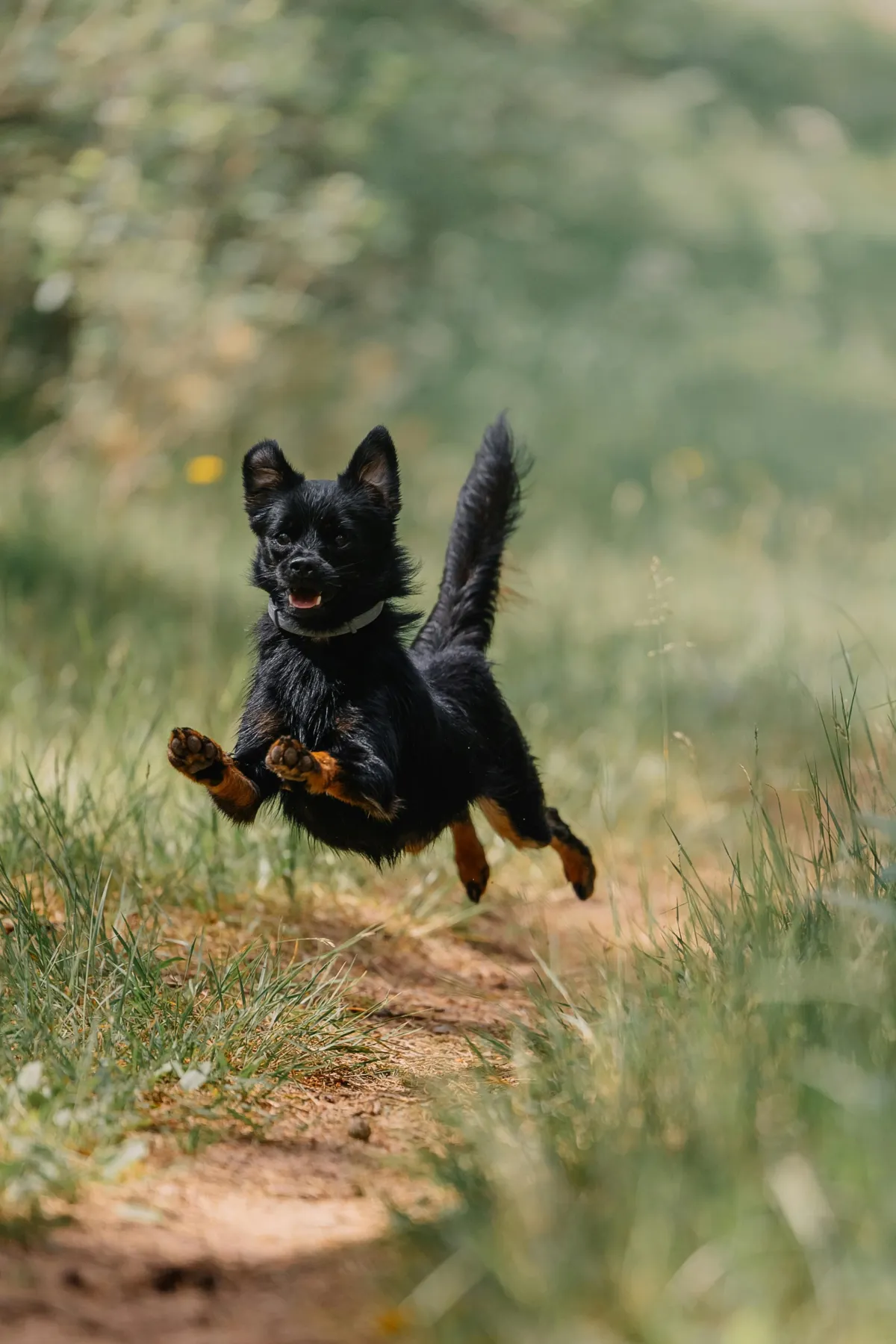
Master the art of detection with science-driven training. OdorQuest isn’t just a program—it’s your step-by-step path to building a confident, reliable detection dog through proven techniques and intentional training.

Training Plans
Training Plans
Level up your training—one plan at a time. Designed for real-world results, these bite-sized, expert-crafted training plans (starting with Odor Origins and soon, Focused Detection) give you a clear, actionable roadmap to detection dog success.
Our Goals
At Dog Merickel, our goals define us:
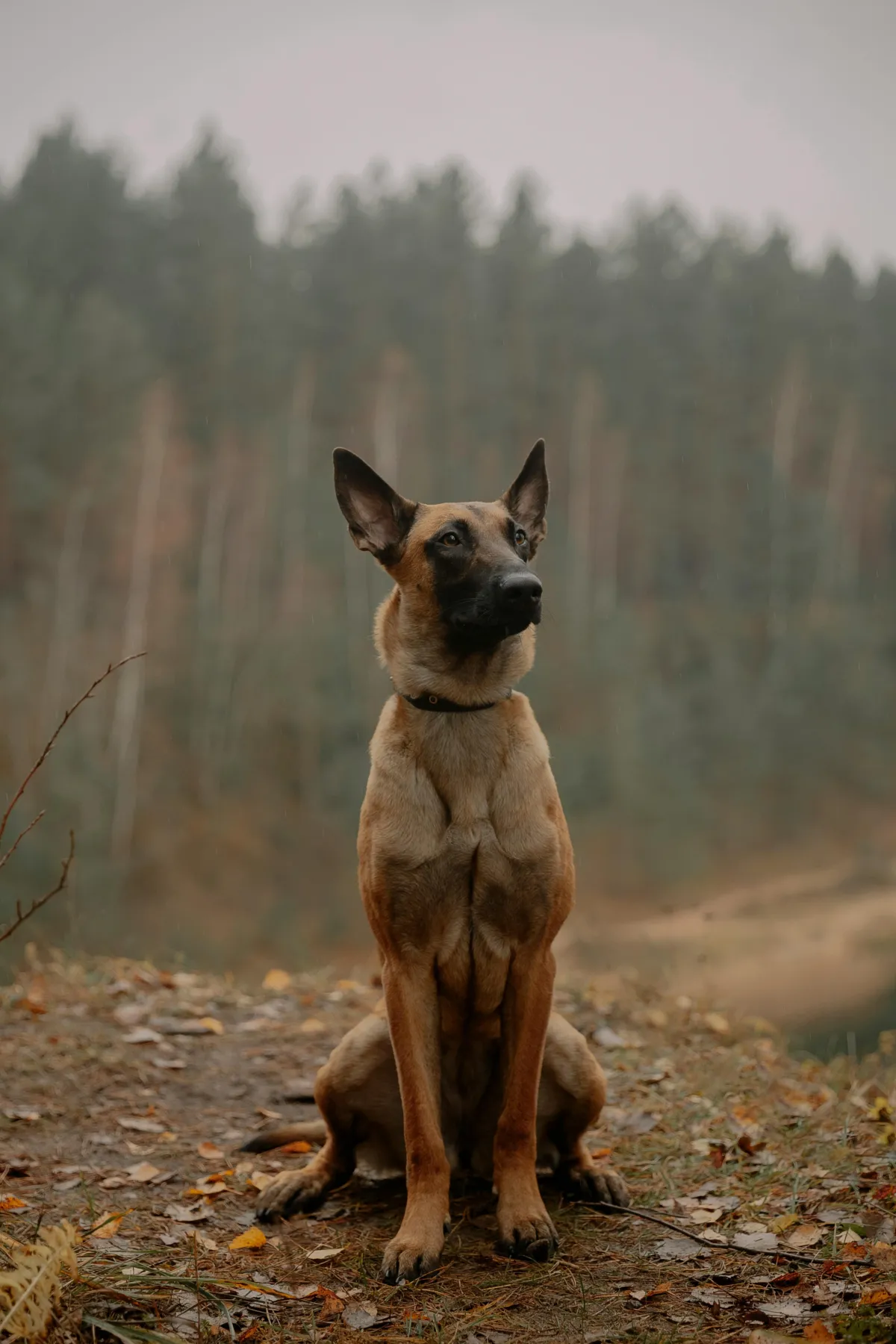
Deliver Better Tools: Innovative, accessible, and effective training plans designed to help you and your dog reach new heights.
Build a Thriving Community: A connected space for Handlers to share, learn, and grow together.
Unleash Potential: Push boundaries, set new standards, and achieve greatness through structured training and support.
Ready to Join the Movement?
At Dog Merickel, we don’t just train dogs—we create partnerships rooted in trust, communication, and excellence.
Explore our programs, connect with our Community, and take the next step in your HRD journey.
Our Promise
Our promise? To bring you sharp tools, smart strategies, and a Community that’s got your back. We work to transform Handlers and their dogs into unstoppable teams.
The Handler's Journal Blog
Should Training Look Like Work?
Should Training Look Like Work?
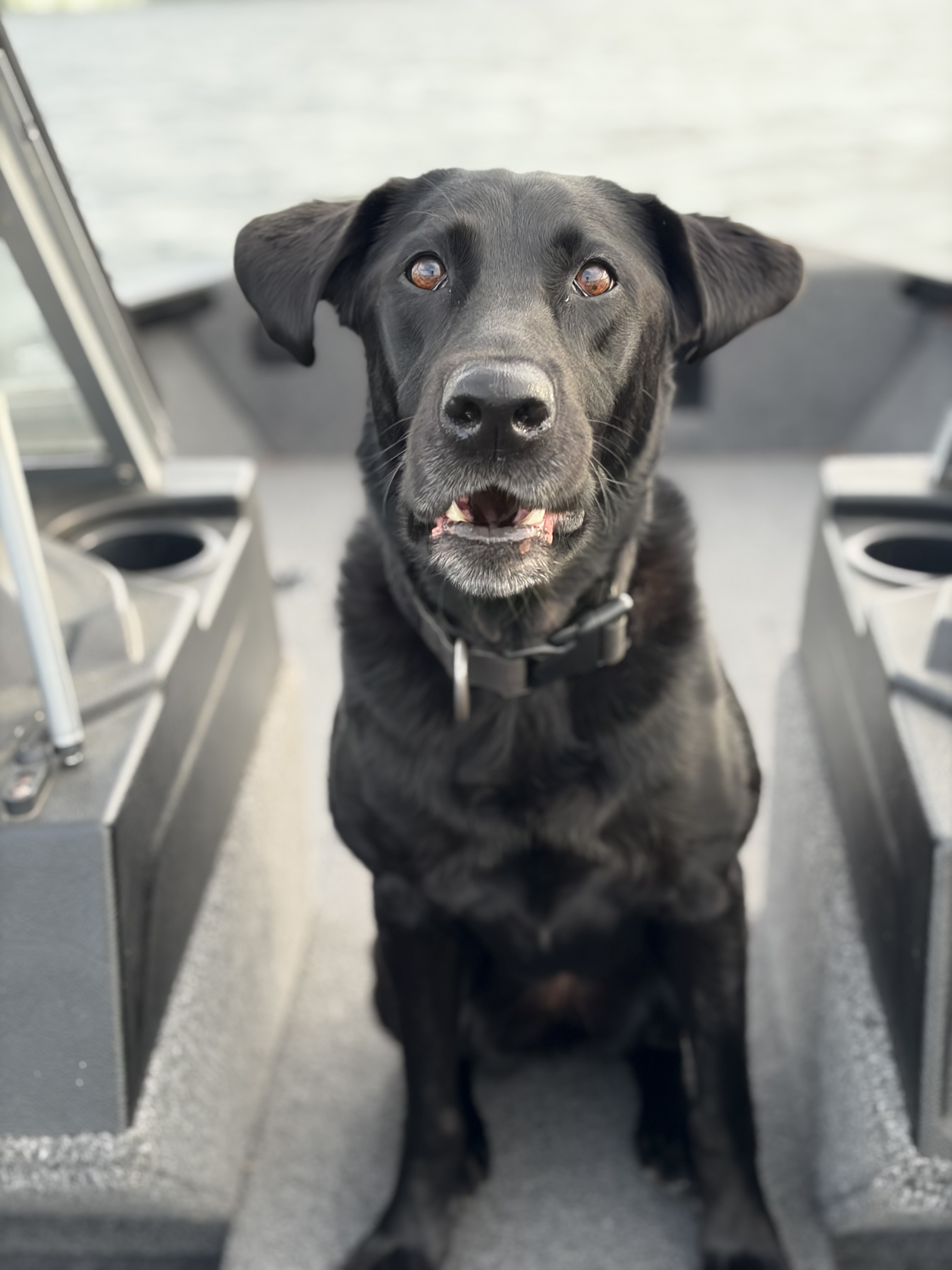
I’ve been thinking about how different training can be from the work we’re supposedly preparing to do.
Training is often easier than work. It’s usually more controlled, less stressful and more predictable. We might add a difficult hide, make the search area bigger or go somewhere new, but we still tend to leave out some of the hardest parts of real work. The uncertainty. The equipment. The other people. The decisions we have to make. The possibility that the dog may work well and still not make a find.
So, how much does our training actually look like our work? And how would we know?
I think this matters for both the dog and the handler. Our dogs are paying attention to the differences, whether we mean to teach those differences or not. In training, there is usually something to find, someone knows where it is and the dog receives a really good reward. Work may ask the dog to search longer, work through a much more complicated odor picture and finish without a find. Sometimes work simply pays less than training.
Could our dogs learn that distinction? Could they work harder in training because experience has taught them that training is more likely to pay? I don’t know, but I think we should be willing to ask.
The same is true for handlers. If I’m going to carry certain equipment in the field, I should probably train with it. If I’m expected to navigate, communicate, watch my dog and adjust my search plan at the same time, I need practice doing all of that together. Knowing how to do each thing separately is not the same as being able to manage all of it while I’m working my dog.
Then there are blanks. Most of us agree that blank searches matter, but how often do we actually train them?
Maybe we worry about not paying the dog. Maybe we aren’t quite sure what to do at the end of a blank. A find gives us a trained response, a reward and a clear ending. A blank asks more of us. We have to evaluate the quality of the search without a find telling us we were right, and we have to decide when the work is complete.
It may be that we need to develop a better range of ways to reward our dogs. What does your dog value, from the absolute best reward down to something that still matters? It might be a tug toy, possessing the ball, really great food, regular food, praise or getting to do something else the dog enjoys. Not every reward has to be equal. In fact, it probably shouldn’t be. But we need to understand what our dogs value and practice using those rewards before we need them.
I also wonder whether we avoid blanks because we don’t like them. They may not match our own reasons for training. We like watching our dogs find source. We like rewarding them. We like knowing that the problem worked. If we truly believed blank searches made us better prepared for the field, would we train them more often? If not, why not?
There may be another, more uncomfortable reason our training doesn’t always look like our work: Some of us don’t deploy often enough to really know what the work looks like.
That’s hard. People have invested years in this work, and nobody wants to feel that the investment somehow counts less because operational opportunities are limited. It doesn’t. But there is a difference between imagining the field and repeatedly working in it. If we don’t have much field experience, it may be difficult to recognize which details matter enough to bring back into training.
We can still learn. We can pay close attention when we do work, participate in thoughtful exercises, listen to experienced teams and have honest conversations after deployments. We can ask what surprised us, what got in the way and what we wish we had practiced beforehand. But first, we may have to admit what we genuinely don’t know.
Perhaps a useful place to begin is by looking at the work through five questions.
What are you and your dog being asked to accomplish? What does the assignment actually require? Which parts require handler skills beyond working the dog? What could you practice before you arrive, and where might you need help from someone else?
What conditions commonly shape the work? Think about the terrain, weather, access, duration, distractions, other personnel and the ways odor may move through that environment. Which conditions can you anticipate? How might they affect the dog, the handler or the search plan? Which pieces could safely become part of your training?
What might you genuinely not know? What information can you ask for before arriving? What will remain unknown until the work begins? Some things cannot be recreated in training, but we can practice working without having every answer.
What judgments will the handler need to make? Which decisions could have criteria established ahead of time, and which can only be made in the moment? If we expect handlers to make good decisions during a deployment, where are they getting the opportunity to practice making them?
How will you decide the work is done, with or without a find? Who makes that decision? What criteria support it? How do you finish responsibly when there is no find to give the search a clear ending?
Making training look more like work doesn’t mean every problem needs to be longer, harder or more complicated. That can become its own distraction. The point is to understand what our work actually asks of the dog and the handler, then decide which pieces need to show up more often in training.
So maybe the better question isn’t, “How can I make this training harder?” Maybe it’s, “What will the work ask of us, and have we practiced that together?”
Here’s to the dogs who keep us honest, and the questions that keep us learning.
– Janie

Frequently Asked Questions
GENERAL QUESTIONS
What is Dog Merickel?
Dog Merickel is a science-driven platform dedicated to advancing detection dog training through expert guidance, innovative tools, and a strong Community of Handlers.
Who is Dog Merickel for?
We support detection dog Handlers at all levels—whether you’re just starting out or refining advanced skills in Human Remains Detection (HRD) or Archaeology Human Remains Detection (AHRD).
What makes Dog Merickel different?
We combine cutting-edge science, structured training strategies, and a supportive online Community to ensure you and your dog reach the highest level of success.
The Society For Dogs
What is The Society For Dogs?
The Society For Dogs is our exclusive membership-based Community where Handlers can connect, learn, and grow together. We host weekly Coffee Chats, provide structured training discussions, and offer expert insights.
How do I join The Society For Dogs?
You can become a member by signing up on our website. Elite Memberships are currently $25 per month, but the price will increase soon!
What do I get as a member?
Access to our private online Community
Weekly live training discussions via Zoom
Structured training support and expert insights
Exclusive training resources and tools
Training and Courses
What is OdorQuest?
OdorQuest is our structured training program designed to take Handlers through progressive, science-backed detection training, helping teams build strong skills from foundational to advanced levels.
Can I buy training plans without joining The Society For Dogs?
Yes! We offer one-time training plans like Odor Origins that you can purchase individually. However, joining The Society gives you ongoing support, deeper insights, and access to live discussions.
Business & Logistics
Is Dog Merickel a nonprofit?
We are in the process of setting up a 501(c)(3) nonprofit called the Detection Dog Foundation, which will serve as the fundraising arm for scholarships and educational opportunities.
Do you offer in-person training?
We don’t provide hands-on field training, but we do guide Handlers in preparing for it. We also share insights on where to find the best field trainers and workshops.
Can I teach a course through Dog Merickel?
Yes! Our upcoming OdorQuest Academy will allow experienced Handlers to create and teach virtual classes, earning revenue while contributing to the growth of the detection dog Community.
Get in touch with us
Got questions? Fired up about training? Just want to talk dogs? We’re here for it.
At Dog Merickel, we don’t do cookie-cutter solutions—we craft strategies that work for YOU and your detection dog. Whether you're curious about The Society For Dogs, need a solid training plan, or just want to chat about the latest science in detection training, we’re all ears (and so are our dogs).
Email: [email protected]
- Monday - Friday, 8:00 am - 5:00 pm
Join the Conversation: The real magic happens inside The Society For Dogs—grab your spot here!
Drop us a message, and let’s make things happen.
Follow Us
Follow Us
Every sniff has a purpose. Every step has a strategy. Dog Merickel – Where Handlers and dogs crush goals together.
Services
More
© Copyright 2026 Dog Merickel. All rights reserved.