Canine insight for archaeological and cultural resource work.
Dog Merickel provides specialized AHRDD support for archaeological projects, cultural resource investigations, cemetery work, and historic preservation efforts. Our dogs help identify areas of interest where human remains odor may be present, supporting better planning, documentation, and decision-making before ground disturbance occurs.
What We Support
Preliminary landscape assessment
Cemetery and burial location projects
Historic and cultural resource investigations
Avoidance-based project planning
Collaboration with archaeologists, CRM firms, Tribes, agencies, and landowners
Non-invasive search methods
How We Work
We approach every project with respect, discretion, and careful documentation. Each search is planned around the goals of the project, the landscape, access limits, cultural sensitivities, and the needs of the people responsible for the site.
A Valued Colleague
Janie Merickel has had the privilege of working alongside Melissa Kindt and Canines for Heritage Preservation on archaeological human remains detection dog projects. Together, we have supported archaeologists and cultural resource professionals through respectful, science-informed field investigations.
Learn more about Canines for Heritage Preservation - https://www.caninesforheritage.com/
For project inquiries, collaboration, or availability, please contact Dog Merickel:
Janie Merickel
(719) 839-8119

What Are We Doing Here?
What Are We Doing Here?

The Philosophy of The Society For Dogs
Every so often, it’s worth pausing long enough to ask a simple question:
What are we actually doing here?
At The Society For Dogs, I’ve always known what we’re doing. I just haven’t always said it out loud.
Not because it wasn’t clear—but because it’s different. It doesn’t follow the usual playbook, and it doesn’t look like what many of us were taught to expect.
Still, after years of doing this work, watching how people learn, and seeing what actually holds up over time, it feels important to name it more openly. What we’ve been building works. And naming it helps us keep doing it with intention.
What the Society Is
The Society For Dogs is a ThinkTank.
It’s also a learning Community.
Those words are chosen carefully.
This is a space for people who take human remains detection dog work seriously—and who want a place to think carefully about it, together. Because we’re spread across the country, and sometimes the world, our work lives online. We train our thinking, share perspective, and explore ideas that carry back into the field—supporting more intentional, grounded training over time.
One of the advantages of building this as an online, protected thinking space is focus. Learning here isn’t competing with social media noise or public performance. Conversations live in one place, designed for reflection and continuity.
Practically speaking, that means the Society lives in a private Hub—accessible online and through a dedicated mobile app—so engagement is intentional, contained, and easy to return to over time.
Participation doesn’t require showing up live or keeping a rigid schedule. Sessions are recorded and available in the Hub, whether you access it through the app or online. Learning happens when you’re ready to engage, which makes it easier to stay grounded, consistent, and thoughtful over the long term.
We bring together scientists, practitioners, and Handler–scientists. People with different training backgrounds, vocabularies, and ways of seeing the work. Those differences aren’t something to smooth over. They’re part of what strengthens the conversation.
The Society is built to support thoughtful inquiry. It’s a place where questions can be explored before they’re resolved—where people can ask things that might feel unfinished or uncomfortable elsewhere, and trust that the work of thinking will be held with care.
Good answers matter here.
But so does how we arrive at them.
A Protected Thinking Environment
At the center of the Society is a clear commitment:
The Society For Dogs is a protected thinking environment.
This is a place where people are allowed to think out loud. Ideas don’t have to arrive fully formed. Questions don’t have to be perfectly worded. Learning doesn’t have to be linear or tidy. In practice, it rarely is.
Psychological safety isn’t assumed here; it’s intentionally protected. Not so people can say anything without responsibility—but so they can engage honestly, without fear of ridicule, dismissal, or posturing.
We aim to be critical friends: able to question and challenge one another thoughtfully, while holding one another with respect, generosity, and good faith.
This isn’t a space for performance.
It’s a space for steady improvement.
How Science Fits Here
One thing is important to say plainly:
The goal of the Society is not to overturn science—we honor it.
Science stands on its own authority. Our work here is to understand what is known, explore how it applies in real-world contexts, and use that understanding to grow—incrementally and responsibly—as Handlers, as teams, and as a Community.
The Society brings together scientists and practitioners, each contributing different training, language, and ways of seeing the work. As a result, many questions begin as practical, experience-based, or exploratory.
That doesn’t make them careless.
It makes them a starting point.
This ThinkTank exists to support authentic inquiry and shared learning:
ideas may arrive unfinished or unpolished
questions may be exploratory rather than precise
insight often emerges through conversation, reflection, and lived experience
Over time, those conversations can become more refined. But refinement happens best when curiosity comes first, not when people feel pressure to sound certain.
Why the Philosophy Matters
This Philosophy isn’t about rules or enforcement.
It’s about orientation.
This work is a journey. There isn’t a single endpoint, and learning rarely follows a straight line. Much is known—and there is always more to understand. Rather than rigid, black-and-white thinking, we acknowledge complexity and nuance as part of the work itself.
What matters here isn’t judgment.
It’s direction.
Where are we headed?
What are we learning?
How are we improving the way we think and work together?
By naming how we learn as a Community, the Philosophy helps protect what we’re building. It creates space for people to rise—to higher standards, deeper understanding, and more thoughtful practice—without needing to posture or prove.
Why This Supports Excellence and Mastery
Excellence and mastery don’t grow from certainty alone. They develop through a combination of individual effort and shared work.
They grow through:
sustained curiosity
willingness to revise thinking
respect for complexity
care in interpretation
learning that compounds over time
Community matters here. Collaboration, shared language, and collective problem-solving create conditions where insight travels faster and learning deepens. Synergy—when different perspectives sharpen one another—often becomes one of the most important contributors to long-term excellence.
When people feel safe enough to ask real questions—and responsible enough to take the work seriously—progress becomes more durable.
This is how excellence becomes something you grow into, rather than something you perform.
Stewardship of the Space
As the steward of The Society For Dogs, my role isn’t to provide final answers. It’s to support an inquiry-driven way of learning—one built on thoughtful questions, careful discussion, and shared responsibility for the quality of our thinking.
I believe that when we work this way—together, across disciplines, and over time—we can create something meaningful.
Not just better training.
But better judgment.
Better conversations.
And a stronger Community to carry the work forward.
That’s what we’re doing here.
Go be great. And if you need a thought partner along the way, I’m here.

Frequently Asked Questions
GENERAL QUESTIONS
What is Dog Merickel?
Dog Merickel is a science-driven platform dedicated to advancing detection dog training through expert guidance, innovative tools, and a strong Community of Handlers.
Who is Dog Merickel for?
We support detection dog Handlers at all levels—whether you’re just starting out or refining advanced skills in Human Remains Detection (HRD) or Archaeology Human Remains Detection (AHRD).
What makes Dog Merickel different?
We combine cutting-edge science, structured training strategies, and a supportive online Community to ensure you and your dog reach the highest level of success.
The Society For Dogs
What is The Society For Dogs?
The Society For Dogs is our exclusive membership-based Community where Handlers can connect, learn, and grow together. We host weekly Coffee Chats, provide structured training discussions, and offer expert insights.
How do I join The Society For Dogs?
You can become a member by signing up on our website. Elite Memberships are currently $25 per month, but the price will increase soon!
What do I get as a member?
Access to our private online Community
Weekly live training discussions via Zoom
Structured training support and expert insights
Exclusive training resources and tools
Training and Courses
What is OdorQuest?
OdorQuest is our structured training program designed to take Handlers through progressive, science-backed detection training, helping teams build strong skills from foundational to advanced levels.
Can I buy training plans without joining The Society For Dogs?
Yes! We offer one-time training plans like Odor Origins that you can purchase individually. However, joining The Society gives you ongoing support, deeper insights, and access to live discussions.
Business & Logistics
Is Dog Merickel a nonprofit?
We are in the process of setting up a 501(c)(3) nonprofit called the Detection Dog Foundation, which will serve as the fundraising arm for scholarships and educational opportunities.
Do you offer in-person training?
We don’t provide hands-on field training, but we do guide Handlers in preparing for it. We also share insights on where to find the best field trainers and workshops.
Can I teach a course through Dog Merickel?
Yes! Our upcoming OdorQuest Academy will allow experienced Handlers to create and teach virtual classes, earning revenue while contributing to the growth of the detection dog Community.
Get in touch with us
Got questions? Fired up about training? Just want to talk dogs? We’re here for it.
At Dog Merickel, we don’t do cookie-cutter solutions—we craft strategies that work for YOU and your detection dog. Whether you're curious about The Society For Dogs, need a solid training plan, or just want to chat about the latest science in detection training, we’re all ears (and so are our dogs).
Email: [email protected]
- Monday - Friday, 8:00 am - 5:00 pm
Join the Conversation: The real magic happens inside The Society For Dogs—grab your spot here!
Drop us a message, and let’s make things happen.
Follow Us
Follow Us
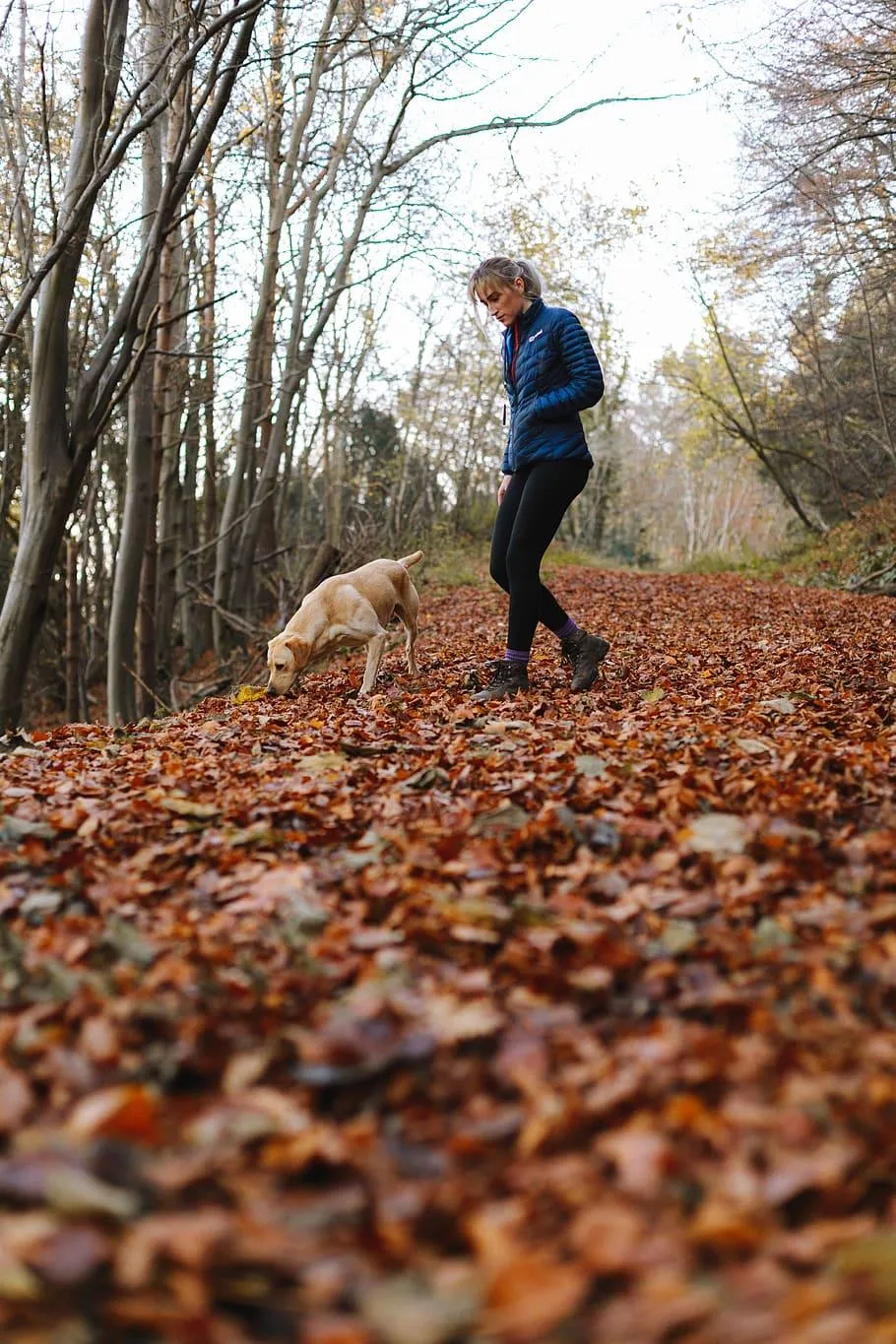
Every sniff has a purpose. Every step has a strategy. Dog Merickel – Where Handlers and dogs crush goals together.
Services
More
© Copyright 2026 Dog Merickel. All rights reserved.